

For the whole of a woman’s life, not only the pregnant part
Obstetrics is pregnancy and birth. Gynecology is everything else, from a first period to long after the last one. Most women meet this department for a happy reason at least once, and for a worrying one at least once too. Both deserve the same unhurried attention.
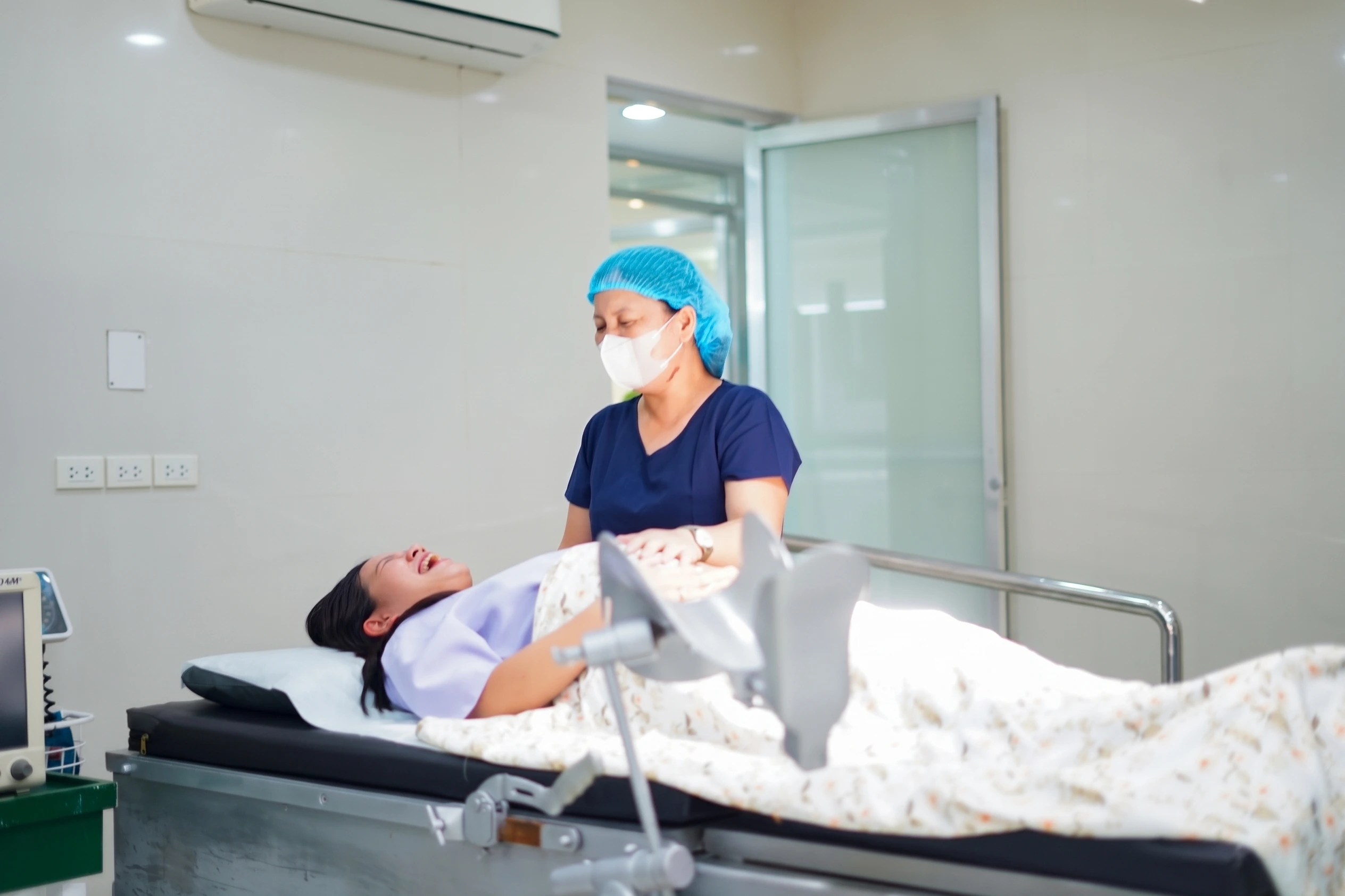
The questions you would rather not ask out loud
Bleeding that is not normal for you, pain during sex, trouble conceiving, a lump you found and have been ignoring. None of it is embarrassing here, and all of it is easier to deal with early than late.
Four stages, and the one that never ends
Pregnancy has a beginning and an end. Gynecological care does not. Both run through this department, often for the same woman years apart.
Planning and early pregnancy
A check before you try, folic acid, existing conditions reviewed, and the first confirmation once a test is positive. Early is a good time to be seen, not a fussy one.
Prenatal check-ups
Regular visits tracking blood pressure, weight, blood and urine tests, and the baby growth. Visits get closer together as the date approaches.
Birth and the weeks after
Labour, delivery and the days that follow, including feeding, bleeding, stitches, mood and contraception before you leave.
Gynecology, any age
Periods, pain, infections, fertility, screening, fibroids and cysts, and the changes around menopause. No pregnancy required.
What this department handles
Some of it is routine and scheduled. Some of it is the thing you have been quietly worrying about for months. Both are ordinary work here.
Prenatal care
Scheduled check-ups through the pregnancy, with blood pressure, weight, laboratory tests and growth followed over time rather than judged on one visit.
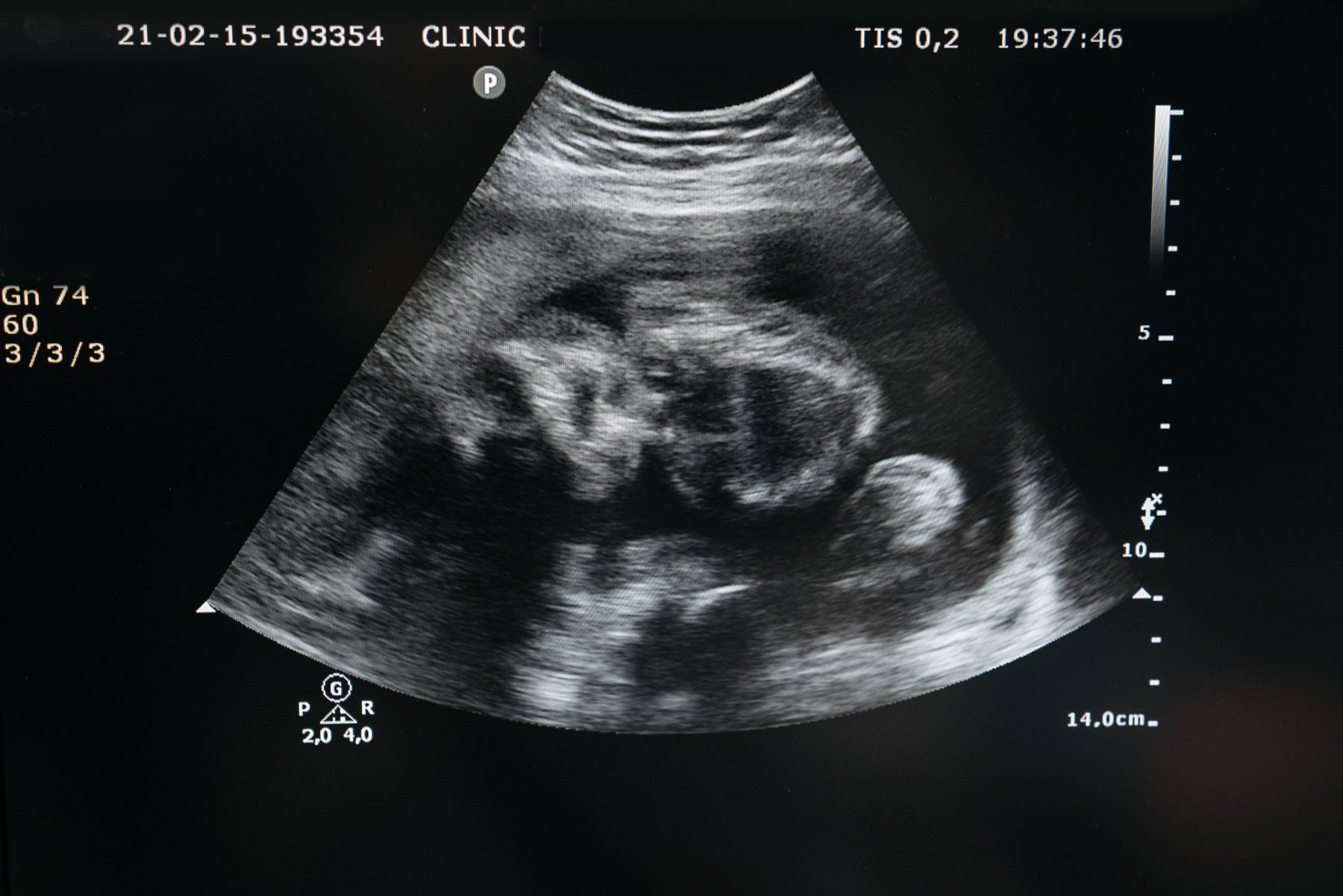
Ultrasound in pregnancy
Confirming dates, checking growth and position, and looking at the placenta. Requested by your doctor when there is a question it can answer.
Pregnancies that need closer watching
High blood pressure, diabetes, twins, a difficult previous delivery or bleeding. Closer monitoring, and a plan made before the day arrives.
Periods and bleeding problems
Heavy, painful, irregular or absent periods, bleeding between periods, and bleeding after menopause. The last of these should always be checked.
Infections and discharge
Persistent itching, unusual discharge, pain when passing urine or during sex. Common, treatable, and not worth enduring quietly.
Screening and lumps
Cervical screening, breast concerns, fibroids and ovarian cysts. If you have found something and put off asking, that is the visit to make.


What to bring, what to expect
The date your last period started
It is the single most useful piece of information at a first pregnancy visit, and almost nobody remembers it on the spot. Check your phone before you come.
Your medicines and any allergies
Including supplements and anything bought over the counter. Some are fine in pregnancy and some are not.
Previous records, if you have them
Earlier pregnancies and deliveries, operations, and results from another clinic. Bring the actual papers rather than a summary from memory.
Expect a conversation before an examination
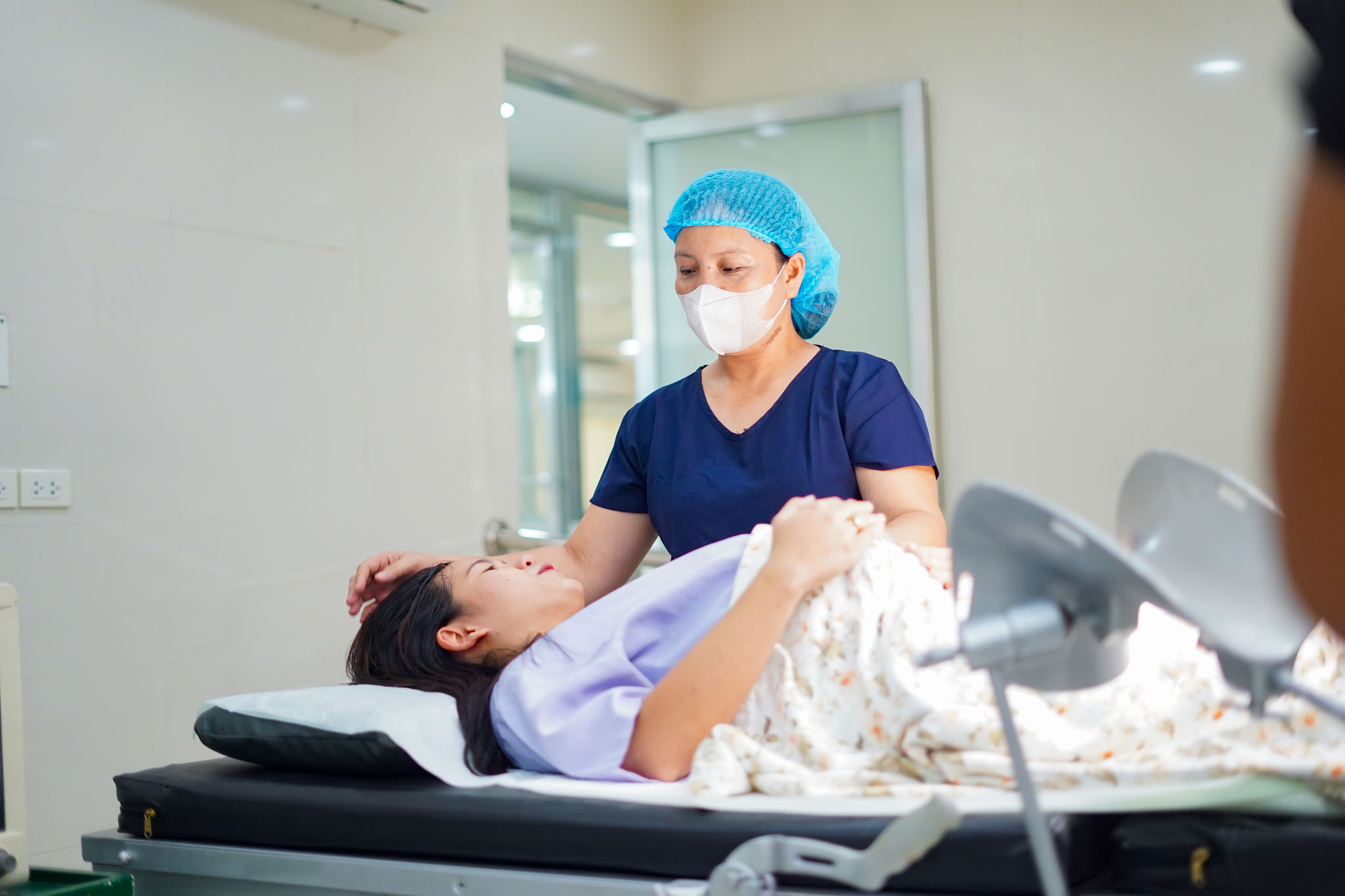
You will be asked about your history first. Any internal examination is explained beforehand, and you can ask for a female staff member to be present.
You can bring someone with you
A partner, your mother, a friend. You can also ask them to step out for part of it. Both are completely normal requests.
Four stages, roughly in this order
Roughly, because labour does not read instructions. Some women move through all four in a few hours and others take two days over the first one.
Early labour, usually at home
Irregular tightenings that come and go. Eat, rest, walk, sleep if you can. Ring for advice whenever you are unsure rather than waiting to be certain.
Coming in
Contractions that are regular, strong and lasting, or waters that have broken. Bring your bag and your prenatal records. Do not drive yourself.
The birth
You and the baby are monitored throughout. If a caesarean or assisted delivery becomes the safer route, it is explained to you before anything is done.
The first hours
Skin to skin where possible, the first feed, and the newborn checks. This is also when you finally get to rest, and you should take it.
What happens after your baby is born
The birth is the short part. Most of a maternity stay is the quieter work that follows it, for you as much as for the baby.
Your own recovery
Bleeding, stitches, pain relief and the first time standing up. Say plainly if the pain is more than you expected. It is information, not complaining.
The newborn checks
Weight, temperature, feeding, breathing and a head-to-toe examination, plus newborn screening. Small findings are common and most of them are nothing.
Getting feeding started
The first days of breastfeeding are the hardest and the least intuitive. Ask for help early rather than waiting until you are in tears at midnight.
Watching for jaundice
Yellowing of the skin and eyes is common in the first week. It is checked before you leave, and you are told what to look for at home.
Papers and registration
Birth records and the documents you need to register the birth. Sort these before discharge day rather than after it.
Before you go home
Contraception, follow-up appointments, the baby immunisation schedule, and clear instructions on what would bring you straight back.
What to bring when you give birth
Your prenatal records and IDs
The record book from every check-up, a valid ID, PhilHealth and HMO cards, and your marriage certificate if you have one. Registration is much faster with them.
For you
Loose nightclothes that open at the front, underwear you do not mind ruining, maternity pads, slippers, a towel, and toiletries. Nothing you would be sad to lose.
For the baby
Nappies, cotton, a few sets of clothes, mittens, a blanket and a cap. Bring more nappies than you think are reasonable.
For whoever stays with you
Food, water, a phone charger with a long cable, and cash in small notes. Labour is unpredictable and shops close.
Leave the valuables at home
Jewellery, large amounts of cash and anything irreplaceable. You will be sleeping, and you will not be watching your bag.
Come in straight away if you have
These need looking at the same day, at any hour, whether or not your next appointment is near. Being wrong about them costs you an evening. Being right and late costs far more.
Inside OSPA-FMC Obstetrics and Gynecology




Things women ask us
When should I have my first prenatal visit?
As soon as you know, ideally in the first three months. Early visits catch things that are much easier to manage before they grow, and they set the schedule for everything that follows.
How often will I be seen during pregnancy?
Visits are spaced further apart early on and become more frequent as the due date approaches. Your doctor sets the exact schedule based on how the pregnancy is going, and it may change if anything needs closer watching.
Will I need an ultrasound, and how many?
Ultrasound is requested when there is a specific question to answer, such as confirming dates, checking growth or looking at the position of the baby. The number varies between pregnancies. It is not decided in advance as a package.
Can I ask for a female doctor or a chaperone?
Yes, and you do not need to explain why. Ask at reception when you book, or at the door before the consultation. A staff member can also be present during any internal examination if you would prefer.
Do I need a referral to be seen?
No. You can book a consultation directly. If you are already under another doctor, bring your records so nothing is repeated unnecessarily.
I am not pregnant. Is this still the right department?
Yes. Periods, pain, infections, contraception, fertility, screening, fibroids, cysts and menopause are all gynecology. Most consultations here have nothing to do with pregnancy at all.
Is any of this covered by PhilHealth or my HMO?
Coverage differs between consultations, laboratory tests, ultrasound and admission for delivery, and between plans. Bring your card and ask the billing section to check your specific benefit before treatment where the situation allows.
Where do I find information about giving birth here?
Labour, birth and the stay afterwards are covered further up this page, under Labour and birth and After the birth. Your prenatal doctor will also talk you through the plan for the day well before it arrives.
Can my husband or my mother stay with me?
Arrangements for birth companions depend on the ward and how busy it is at the time, so confirm the current rule at a prenatal visit rather than on the day. Where a companion is allowed it is usually one person.
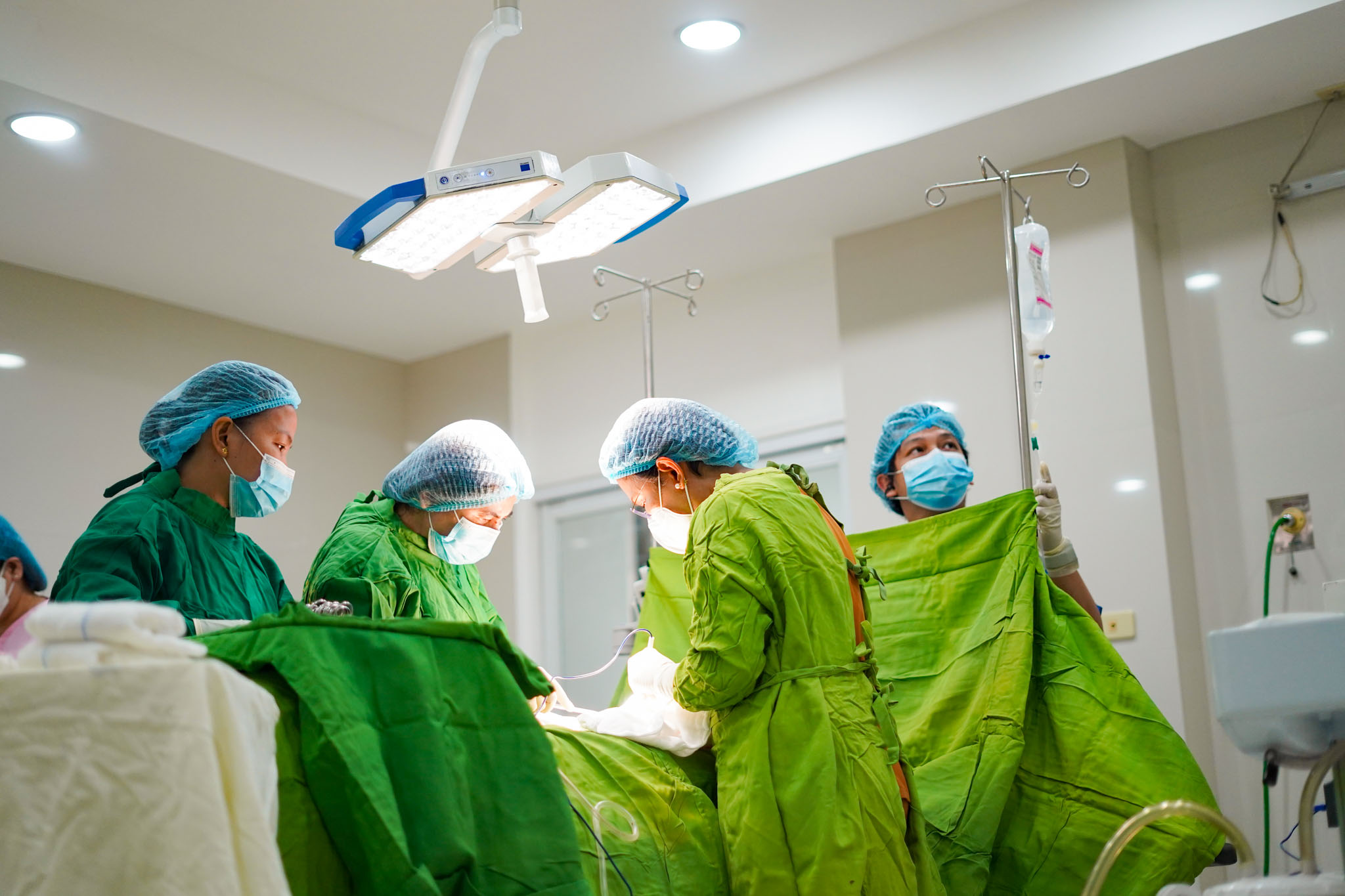
What if I need a caesarean?
Some are planned in advance for a clear reason and some are decided during labour because it becomes the safer option. Either way it is explained to you, and consent is taken, before anything begins. Ask your doctor beforehand what would make it likely in your case.
How long will I stay?
It depends on the type of delivery and on how you and the baby are doing. A straightforward birth usually means a shorter stay than a caesarean. Your doctor decides discharge based on both of you, not on a fixed number of days.
Does PhilHealth cover giving birth?
PhilHealth has maternity benefits, and HMO plans vary considerably in what they include. Present your cards at admission and ask the billing section to confirm your specific coverage. Sorting this early is far less stressful than discovering it at discharge.
Will I get help with breastfeeding?
Yes, and please ask for it rather than struggling quietly. Latching is a learned skill for both of you, the first days are genuinely difficult, and early help makes a large difference to how the following weeks go.
What happens about the birth certificate?
The hospital prepares the birth records and gives you what you need to register the birth with the local civil registrar. Ask at the ward before discharge so you leave with the paperwork rather than having to come back for it.
When is the first check-up after we go home?
You will be given follow-up appointments before discharge, one for you and one for the baby. Keep them even if everything seems fine. The postnatal weeks are when problems are quietest and easiest to miss.
Book a consultation, or just ask
OSPA-Farmers’ Medical Center, Barangay Can-adieng, Ormoc City, Leyte. The emergency room is open at every hour if something cannot wait for clinic day.