
Compassionate, safe cancer care, close to home
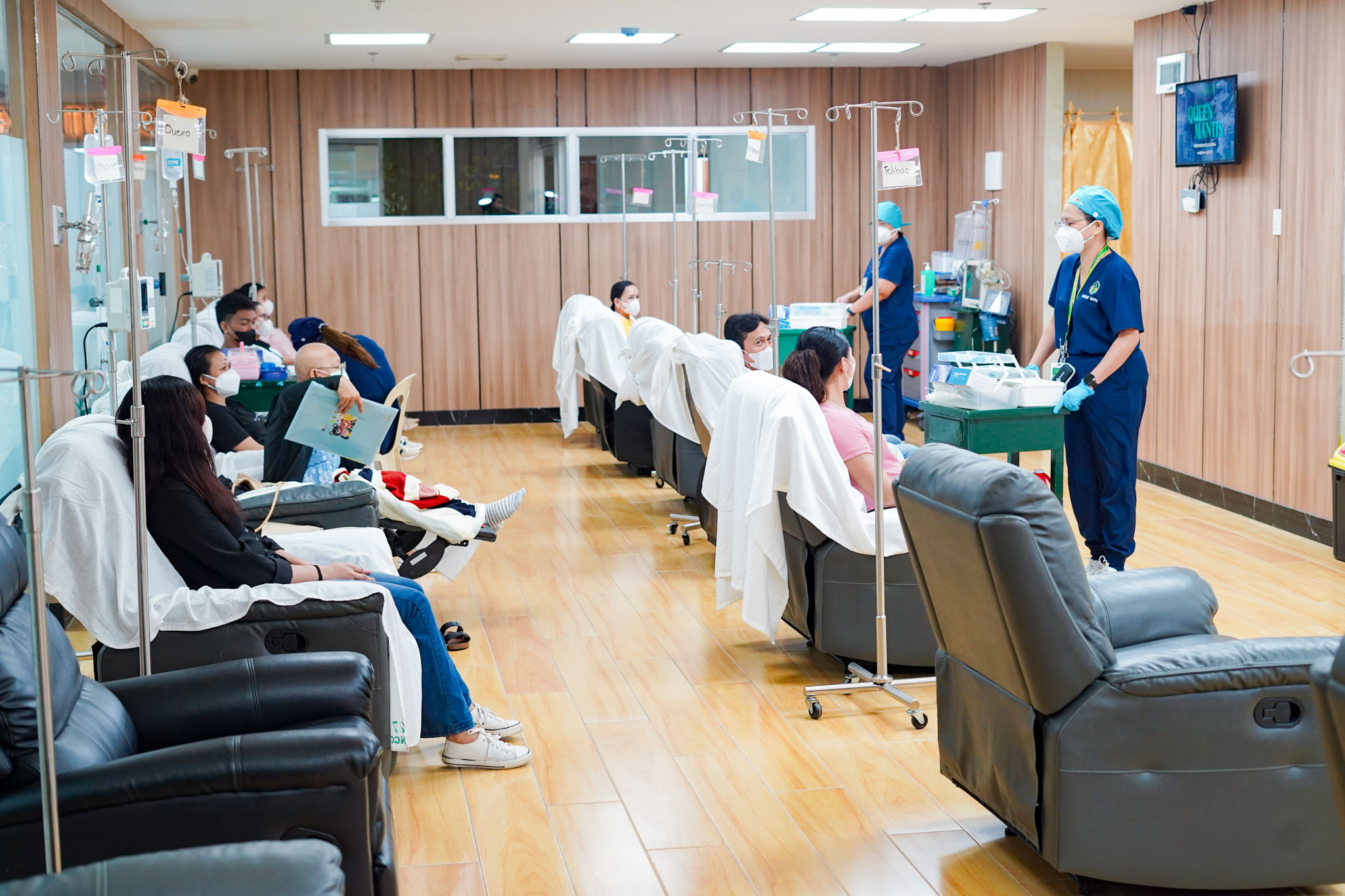
Ormoc Cancer Institute at OSPA-FMC is committed to providing compassionate, safe, and high-quality cancer care through comprehensive outpatient oncology services.
Comprehensive outpatient oncology services
Our dedicated team of oncologists and oncology nurses is committed to delivering personalized, compassionate care while ensuring the highest standards of patient safety and comfort.
Oncology Consultation & Treatment Planning
Comprehensive evaluation and personalized treatment plans developed by experienced medical oncologists based on each patient’s diagnosis and individual needs.
Chemotherapy Administration
Safe and monitored administration of chemotherapy through a peripheral IV cannula or Port-a-Cath for eligible patients to effectively deliver cancer treatment.
Immunotherapy Administration
Provides advanced immunotherapy treatments that help strengthen the body’s immune system to recognize and fight cancer cells.
Targeted Therapy Administration
Delivers medications that specifically target cancer cells while minimizing damage to healthy tissues.
Hormonal Therapy
Offers hormone-based treatments for eligible patients with hormone-sensitive cancers to slow or stop cancer growth.
Blood Transfusion Services
Provides blood and blood component transfusions to help manage anemia and support patients during cancer treatment.
Intravenous (IV) Hydration Therapy
Administers IV fluids to maintain hydration, improve comfort, and support recovery during cancer treatment.
Pre-treatment Patient Assessment & Monitoring
Conducts thorough health assessments before each treatment session to ensure patients are fit to receive therapy safely.
Management of Treatment Side Effects
Provides prompt recognition and management of chemotherapy side effects and infusion-related reactions to ensure patient safety and comfort.
Patient Education & Counseling
Guides patients and their families on treatment plans, nutrition, medications, side effect management, and supportive care to promote informed decision-making.
Follow-Up Care & Treatment Monitoring
Provides continuous monitoring and follow-up throughout the treatment journey to evaluate progress, manage ongoing needs, and support long-term care.
How a session usually goes

Bloods and a review first
Treatment is only given once your blood counts and general condition have been checked. If they are not right that day, the session may be delayed. That is a safety decision, not a setback.
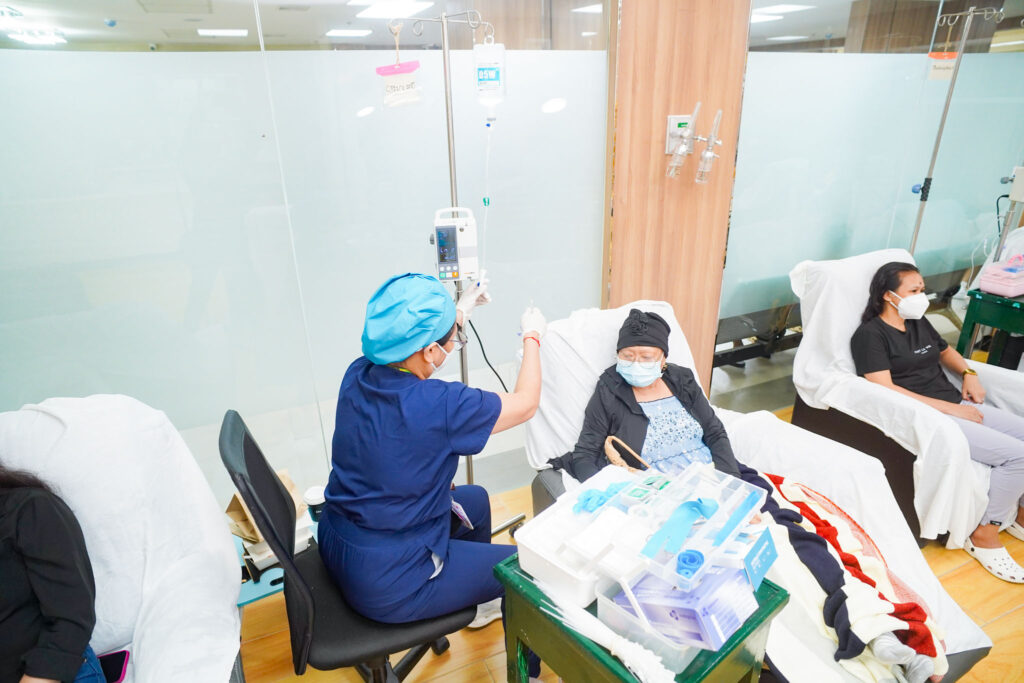
The line goes in
A cannula is placed, or an existing line is used. Pre-medication is often given first to reduce nausea and reactions. Then the infusion runs, slowly and steadily.
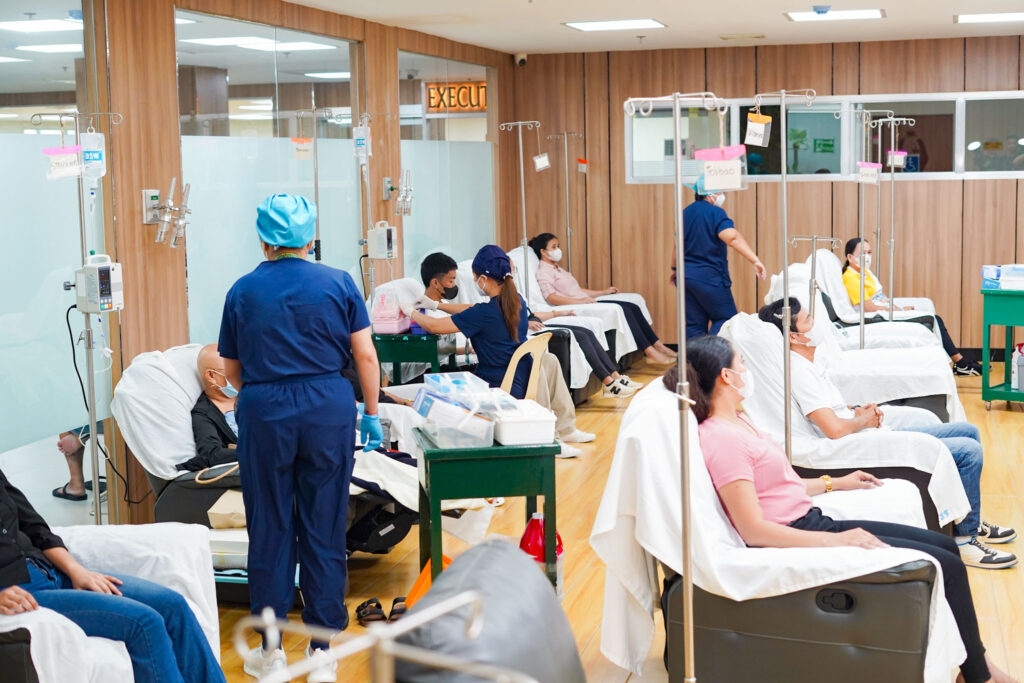
Hours of sitting still
Bring a phone charger, a jacket, water and something to do. Most people underestimate how cold and how bored they will be, and both are easy to fix.
Do not come to the first session on your own
You will be told a great deal in one sitting, some of it while you are anxious, and almost nobody remembers all of it afterwards. A second person hears what you miss, writes things down, and can drive you home when you are too tired to face a jeepney. Bring them to the first session at least, and to any appointment where the plan is being changed.
When we are open, and who you will see
8:00 AM – 4:00 PM
7:00 AM




What patients ask before the first cycle
How long does one session take?
It varies widely between treatments, from under an hour to most of a day, and blood tests and waiting add to it. Ask the nurse for the expected duration of your particular regimen so you can plan the day and arrange your ride home.
Will I lose my hair?
It depends entirely on which drugs you are given. Some cause hair loss, many do not, and where it happens it is usually temporary. Ask your oncologist about your specific regimen rather than assuming from what happened to someone else.
Will I be sick?
Nausea is common but far better controlled than it used to be. Anti-sickness medicine is usually given before the infusion and to take at home. If it is not working, say so, because there are alternatives and there is no prize for enduring it quietly.
Can I eat before and during treatment?
Yes, unless you have been told otherwise. A light meal beforehand is better than arriving on an empty stomach. Bring food and water for a long session, and something bland rather than heavy.
Can somebody stay with me?
Arrangements depend on space in the unit that day, so ask the staff. Even where a companion cannot sit with you throughout, someone should bring you and take you home, particularly for a first session.
What if my session is postponed?
Treatment is delayed when blood counts are too low or an infection is brewing. It feels like lost ground and it is not. Giving a dose when the body cannot tolerate it does more harm than a short delay.
Is it covered by PhilHealth or my HMO?
PhilHealth has benefit packages relevant to cancer care and HMO plans differ considerably. The amounts and rules change, so ask the billing section to check what currently applies to your case, and ask early rather than at the end of a cycle.
Can I work during treatment?
Many people do, often with adjustments and with the worst days falling in a predictable pattern after each cycle. Tiredness builds over a course rather than staying constant. Plan for the bad days rather than assuming there will be none.
Bring your treatment plan and we will take it from there
Ormoc Cancer Institute, OSPA-Farmers’ Medical Center, Barangay Can-adieng, Ormoc City, Leyte. For inquiries call +63 963 752 2793, email onco@ospafmc.com, or message us on Facebook at OSPA ONCO.