From the first consultation to the follow-up visit
A surgical problem is rarely just the operation. You are assessed, investigated, operated on if that turns out to be the right answer, and then followed until the wound has healed and you are back to what you were doing before.
Your surgeon explains what is wrong, what the operation is meant to achieve, and what happens if you do nothing at all.
The risks that actually apply to your case are named plainly, in words you use, not read off a form.
You can ask again, bring someone with you, and change your mind, right up until the operation begins.
What the department operates on
Gallbladder and bile ducts
Gallstones and their complications, worked up with ultrasound and taken out when they are causing trouble rather than simply because they are there.
Hernia
Groin, umbilical and incisional hernias, repaired before they reach the stage where they trap bowel.
Appendix
Appendicitis, almost always as an emergency, and usually on the same day it is diagnosed.
Breast and thyroid lumps
Lumps, cysts and goitre, imaged and sampled first so that an operation answers a question already asked.
Skin and soft tissue
Lipomas, sebaceous cysts, abscesses that need draining, and wounds that need proper closure.
Abdominal emergencies
Obstruction, perforation and injury after trauma, where the decision to operate is made in hours rather than weeks.
The day itself
You are admitted, changed, and seen by both the surgeon and the anaesthesiologist before anything begins. They go through the plan with you again, and you sign the consent after that conversation rather than before it.
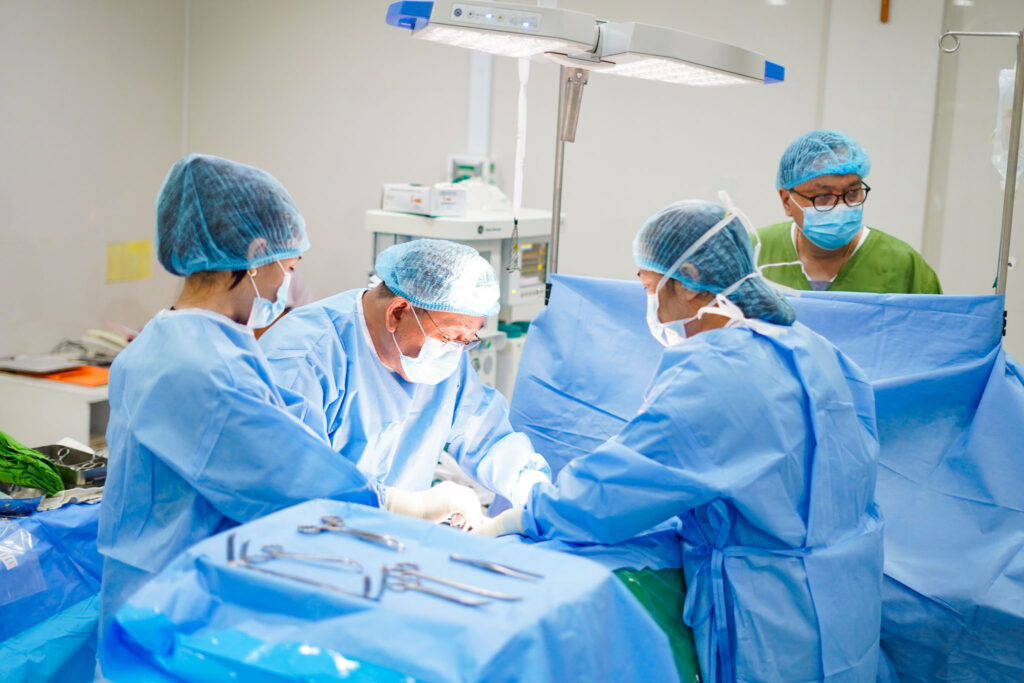
In theatre you are looked after by the surgeon, an assistant, a scrub nurse, a circulating nurse and the anaesthesiologist. Afterwards you go to recovery, where you are watched until you are awake and stable enough for the ward.
Preparing
Before your operation
Your surgeon’s instructions come first and override anything written here. What follows is what applies to most operations.
Fasting
Nothing to eat or drink for the hours your surgeon specifies. An empty stomach is an anaesthetic safety requirement, not a formality, and a full one postpones operations.
Your medicines
Tell us everything you take, including herbal preparations and supplements. Blood thinners and diabetes medicines often need adjusting several days ahead.
Clearance tests
Blood work, a chest X-ray and an ECG are commonly requested beforehand. Your surgeon will tell you which ones apply to you.
Bring someone with you
An adult should take you home and stay with you the first night. You should not drive yourself anywhere after anaesthesia.
After you go home
The wound
Keep it clean and dry as instructed. A little redness right at the edges is expected. Spreading redness, swelling or discharge is not.
Come back if
You develop a fever, pain that is getting worse rather than better, bleeding, or you cannot keep fluids down.
Follow-up
You are given a date to have the wound checked and any sutures removed. Keep it even if you feel completely well.
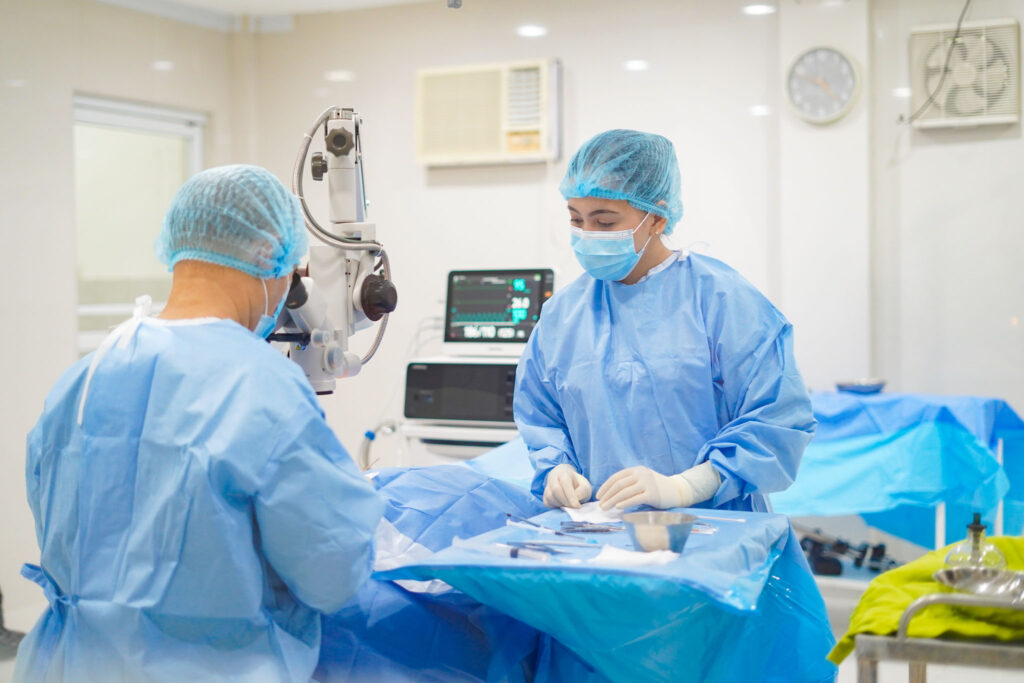
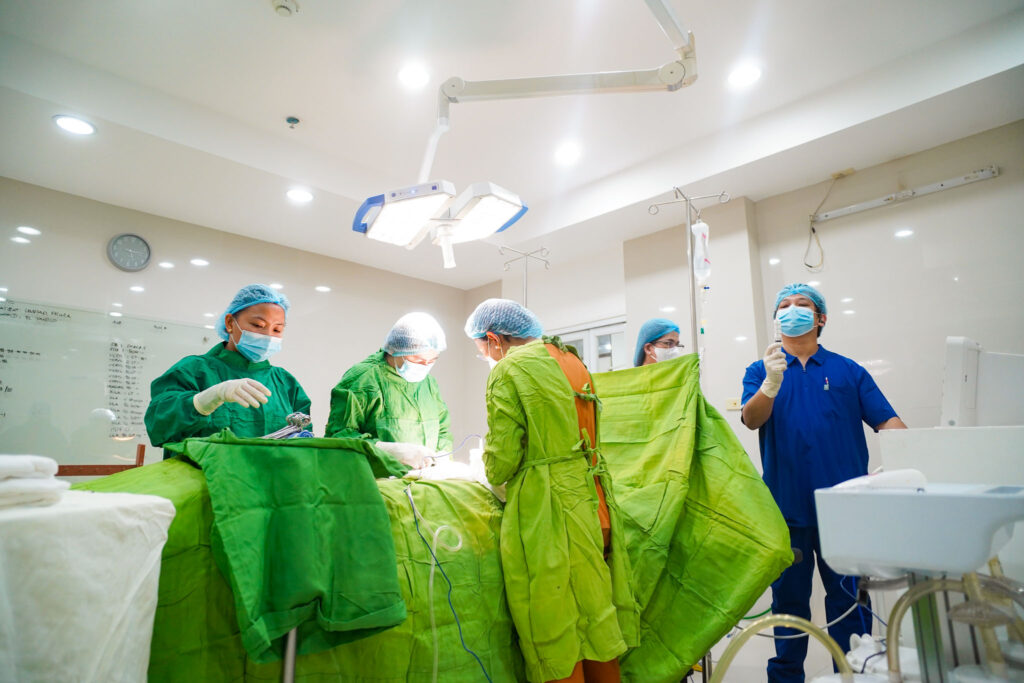
Inside theatre
Where the operating happens
Ready to talk to a surgeon?
Bring your physician’s referral, any imaging you already have, and a list of your medicines. The desk will arrange the consultation.
Bring a referral from your physician if you have one, along with any imaging or laboratory results already done. If you do not have a referral, the front desk will tell you how to arrange a consultation.
It depends entirely on the operation and on how you recover. Some procedures allow you home the same day, others need several nights. Your surgeon will give you a realistic expectation before you are admitted.
That depends on the operation and on what is found once it begins. Your surgeon will describe the incision beforehand, and will tell you if a planned approach may need to be changed during the procedure.
Cost depends on the operation, the length of stay, and what your PhilHealth membership and any private insurance cover. Ask the billing section for an estimate before you are admitted, and ask again if the plan changes.
Come to the emergency room. Surgical emergencies such as appendicitis, obstruction and injury are assessed there, and the surgeon on duty is called in to see you.
No. Follow the fasting time your surgeon gives you exactly. Eating or drinking inside that window is the most common reason an operation is postponed on the day.
It varies with the operation and with what your work involves. Lifting and physical labour need longer than desk work. Ask your surgeon at the follow-up rather than guessing.