The Gastroenterology Unit at OSPA-FMC provides specialized diagnostic and therapeutic procedures for conditions affecting the digestive system, including the esophagus, stomach, intestines, colon, and liver. Using advanced endoscopic techniques, our specialists deliver accurate diagnosis and minimally invasive treatment to support better digestive health.
Examines the upper digestive tract and collects tissue samples to help diagnose ulcers, inflammation, infections, and other gastrointestinal conditions.
Polypectomy
Removes polyps from the upper digestive tract during an endoscopic procedure to help prevent complications and allow further evaluation.
PEG Tube Insertion
Places a Percutaneous Endoscopic Gastrostomy (PEG) tube to provide long-term nutritional support for patients who are unable to eat normally.
Sclerotherapy, Rubber Band Ligation, or Hemoclipping
Performs minimally invasive treatments to control gastrointestinal bleeding, treat enlarged veins (varices), or manage other upper gastrointestinal conditions.
Colonoscopy
Biopsy
Examines the colon and rectum while obtaining tissue samples to diagnose inflammatory bowel disease, colorectal cancer, and other digestive disorders.
Polypectomy
Detects and removes colon polyps during a colonoscopy to reduce the risk of colorectal cancer.
Sclerotherapy or Hemoclipping
Provides endoscopic treatment to control bleeding within the colon using specialized therapeutic techniques.
Additional Procedures
Flexible Sigmoidoscopy
Examines the lower portion of the colon and rectum to evaluate symptoms such as rectal bleeding, changes in bowel habits, or inflammation.
Liver Biopsy
Obtains a small sample of liver tissue for laboratory analysis to diagnose liver diseases, assess liver damage, and guide treatment planning.
Who we help
When should you see a gastroenterologist?
Symptoms that keep coming back
Heartburn, burning in the upper abdomen, and the ulcers that come from acid, from painkillers, or from H. pylori infection. Buying the same remedy month after month treats the symptom while whatever is causing it carries on unchecked.
A change that has lasted
A bowel habit that has changed for weeks, unexplained weight loss, or difficulty swallowing. These are the symptoms worth bringing in early rather than watching.
Inside the unit
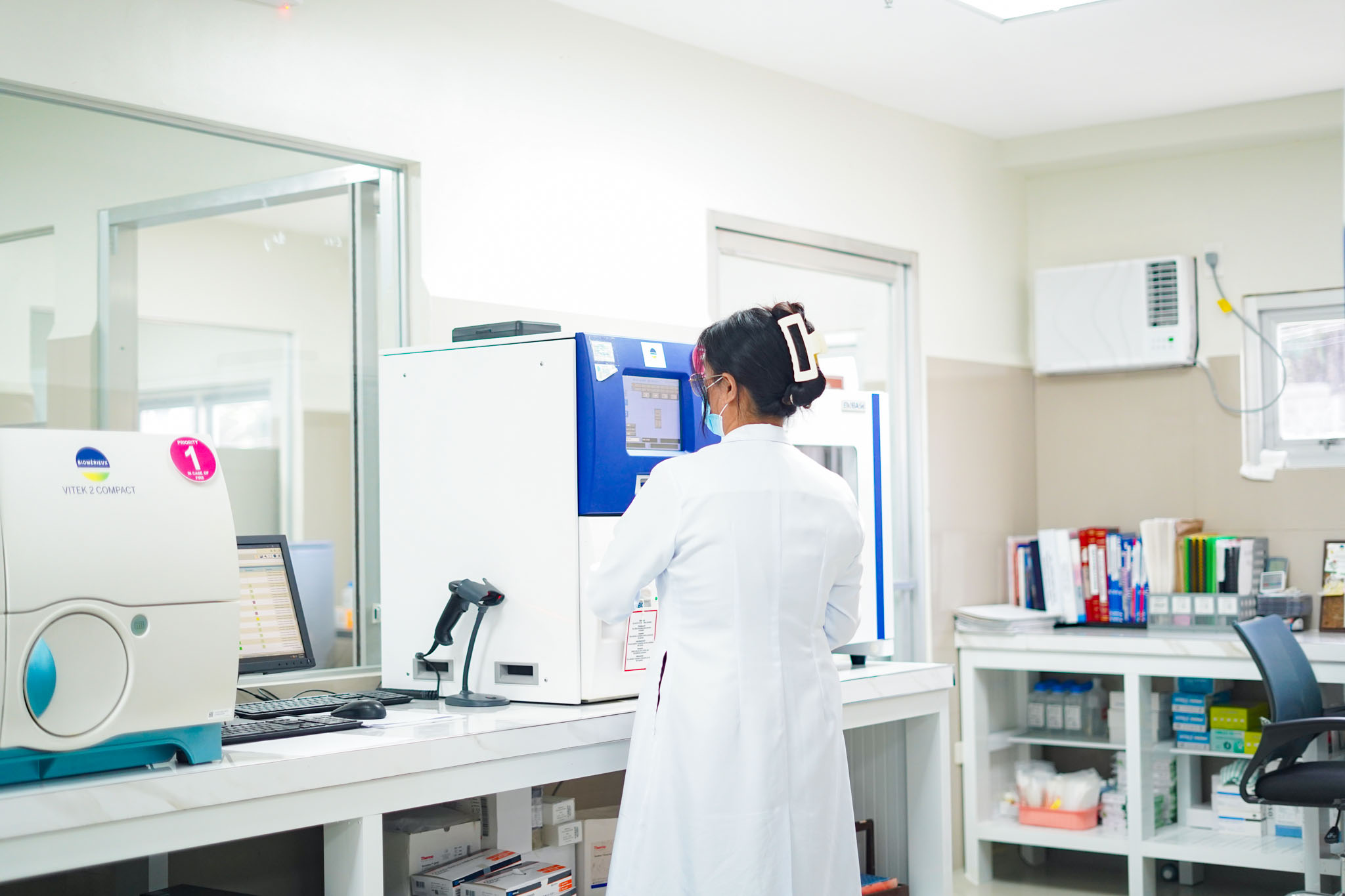
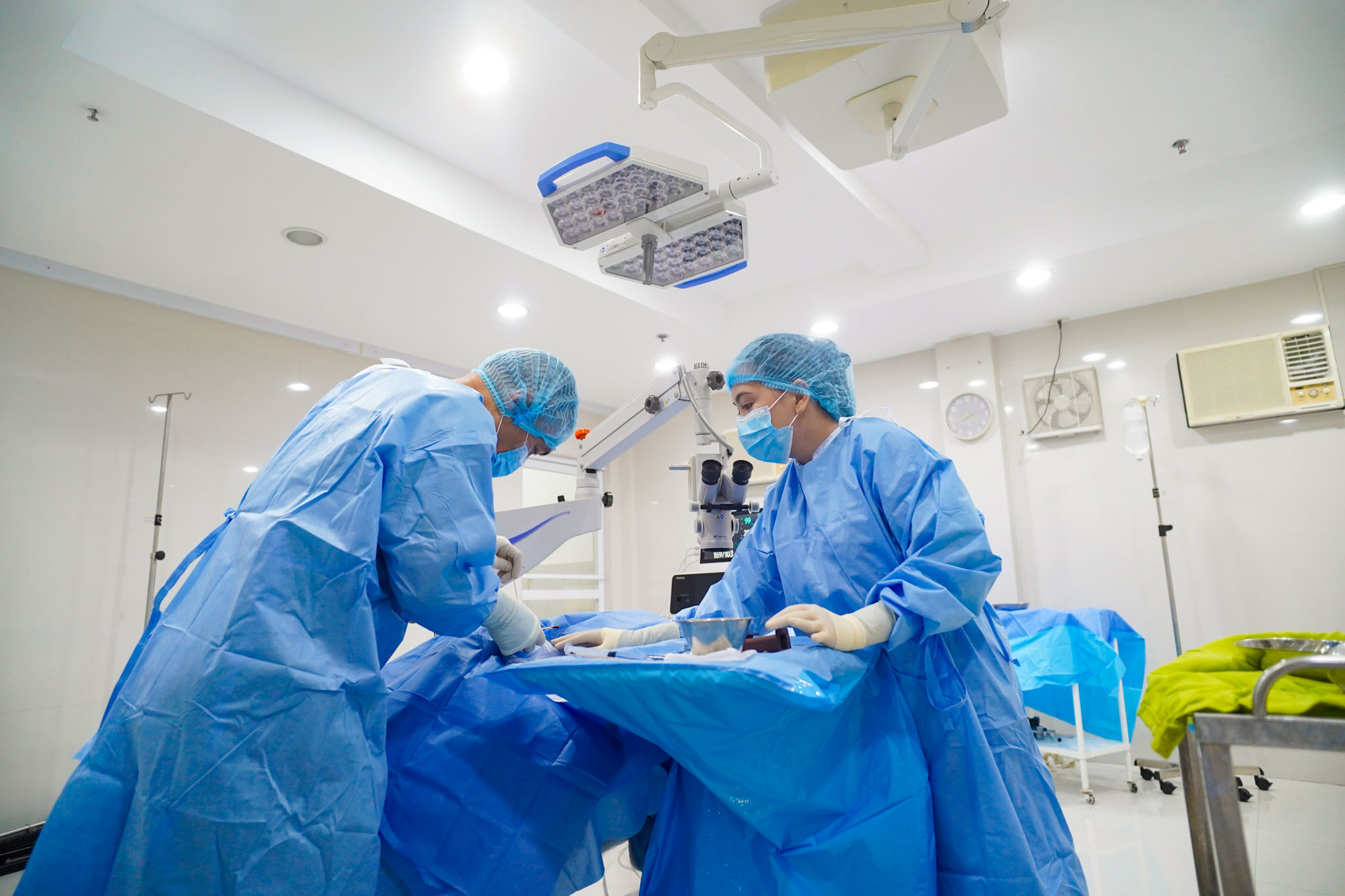
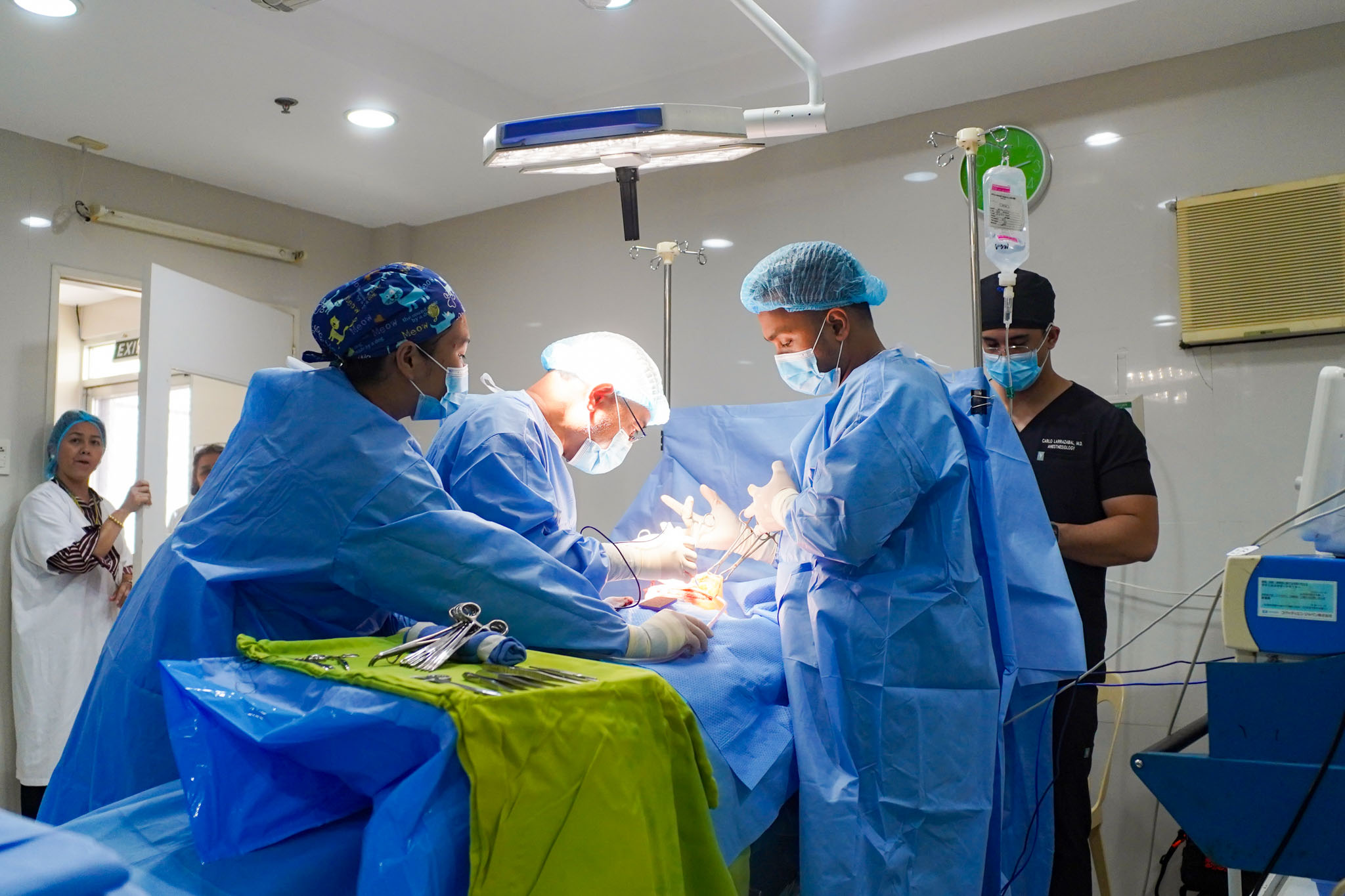
Inside the Endoscopy Unit at OSPA-FMC
Clinic hours and contact
When we are open, and how to reach us
Schedule
Clinic hours
Weekdays
Monday to Friday 7:00 AM – 3:00 PM
Cut off time
2:00 PM
Get in touch
For inquiries and appointment bookings, please contact OSPA-FMC.