

The nervous system, handled carefully.
Assessment and surgical care for conditions of the brain, spine and nerves, from head injury in the emergency room to back and neck problems that have stopped responding to everything else.
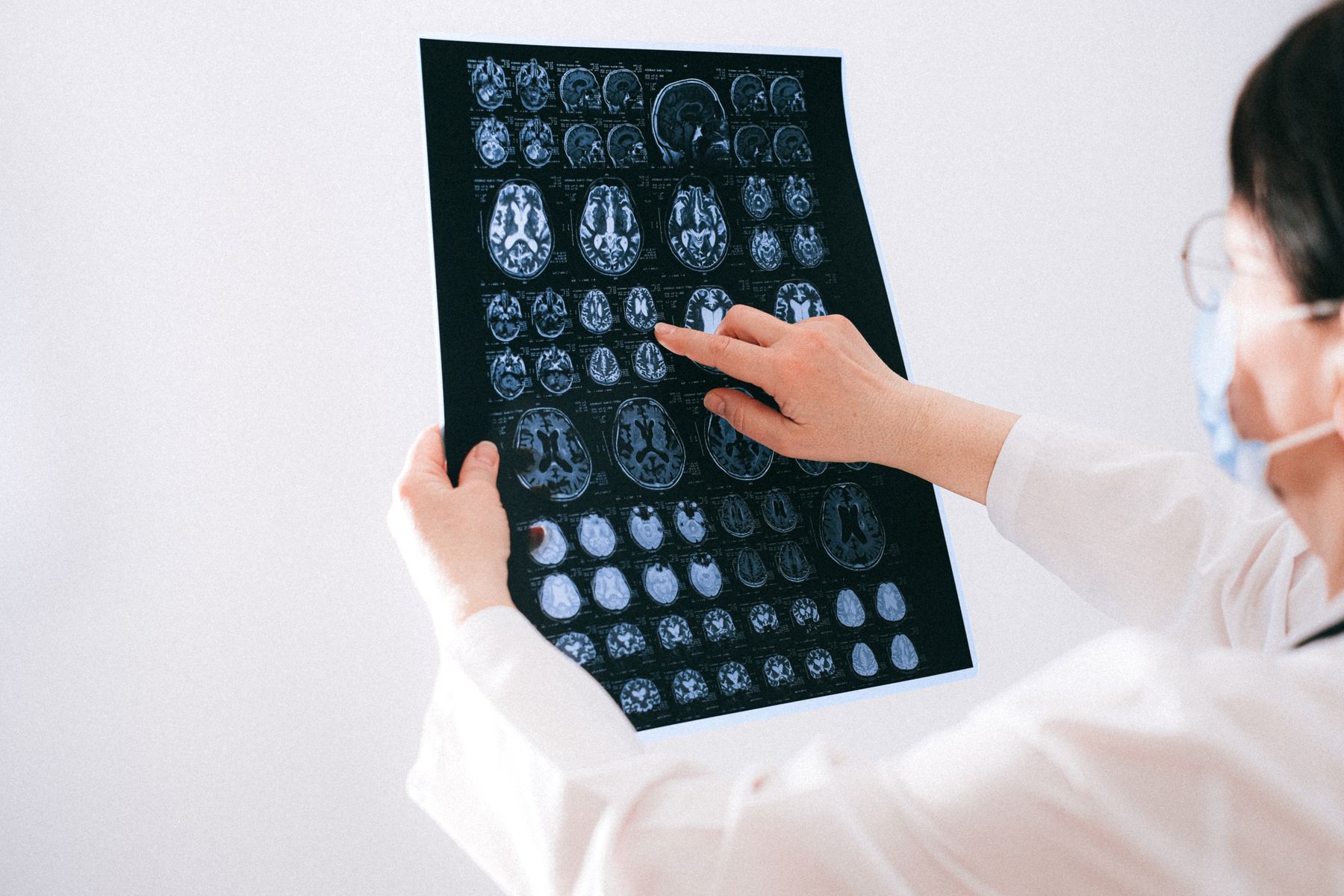

From the first scan to the follow-up visit
A neurological problem is rarely just the operation. You are assessed, imaged, treated or operated on where that turns out to be the right answer, and then followed until you are back to what you were doing before.
Head injury, bleeding and rising pressure inside the skull are assessed the moment you arrive, not scheduled for later.
A CT scanner on site means the picture the surgeon needs can be taken without transferring you first.
What is found determines what happens next: observation, an operation, or referral to a centre better equipped for it.
What the department deals with
Head injury
Skull fractures, bleeding inside or around the brain, and the rising pressure that follows. Assessed on arrival and imaged straight away.
Stroke and bleeding
Haemorrhage into the brain, where the scan decides whether an operation helps or whether careful medical management is safer.
Spine
Slipped discs, narrowing of the canal and nerve compression that has stopped responding to rest, medication and therapy.
Hydrocephalus
Fluid building up inside the brain, in infants and in adults, and the shunting that relieves it.
Tumours
Growths of the brain, its coverings and the spine, worked up with imaging before anything is planned.
When referral is the right answer
Some conditions need equipment or sub-specialists a community hospital does not hold. Where that is the case you are told plainly, stabilised, and referred without delay.
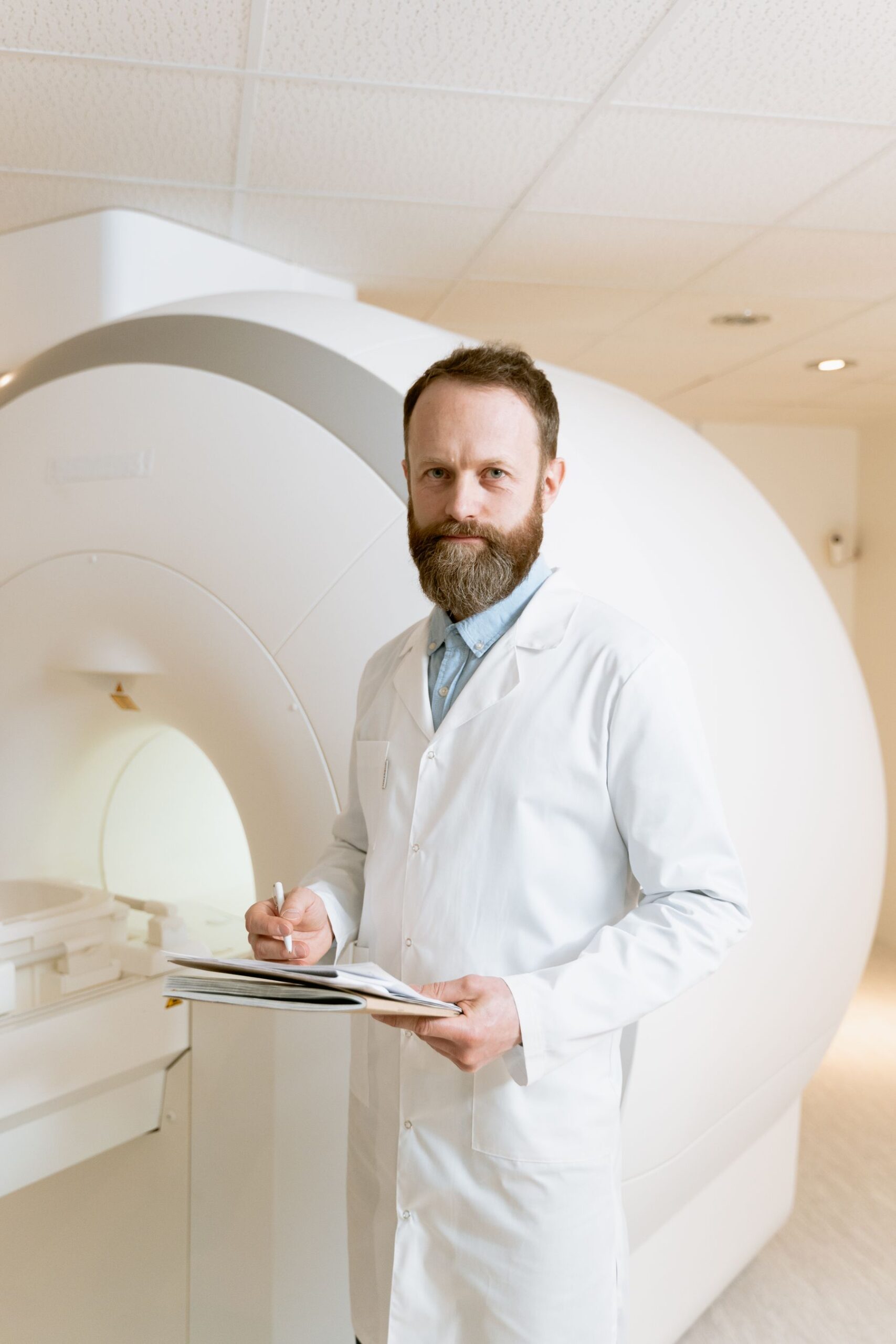
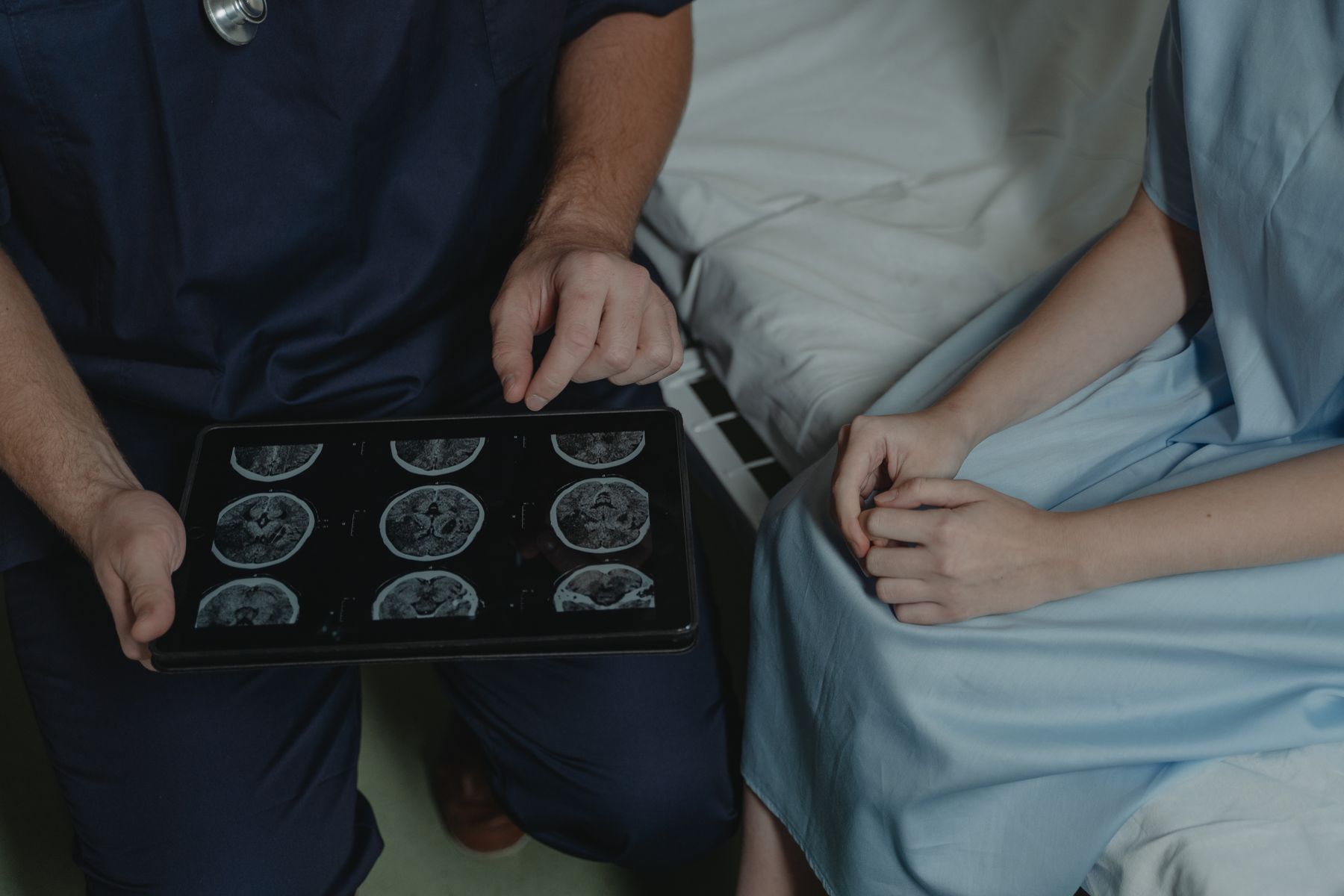
The scan is where it starts
Neurosurgical decisions rest on imaging. A CT scan shows bleeding, fracture and pressure quickly, and it is usually the first study taken. What it shows is discussed with you and with the physician who referred you.
An operation on the brain or spine is never recommended lightly. If watching and treating medically gives the same result, that is what is offered, and the reasoning is explained rather than assumed.
Come to the emergency room if
After a blow to the head
Vomiting, worsening headache, confusion, drowsiness that is hard to rouse, one pupil larger than the other, or clear fluid from the nose or ear.
Sudden and severe
A headache that arrives at full force in seconds, weakness or numbness down one side, slurred speech, or a first seizure.
Spine warning signs
Loss of bladder or bowel control, numbness around the groin, or weakness in both legs that is getting worse by the hour.
What to bring
A neurosurgical opinion is only as good as the information it is based on. These four things save you a second visit.
Every scan you have had
CT, MRI and X-ray films and their reports, including old ones from other hospitals. Comparison over time often matters more than any single image.
The referral letter
What your physician has already found, tried and ruled out, so the same ground is not covered twice.
A list of your medicines
Everything you take, including blood thinners and anything for seizures, blood pressure or diabetes.
Someone with you
Bring a companion. Neurological consultations cover a lot, and a second set of ears helps you remember it afterwards.
Ready to talk to a neurosurgeon?
Bring your referral and every scan you have. The desk will arrange the consultation.
Answers before your visit
Do I need a referral?
Bring one if you have it, along with every scan and report. A neurosurgical consultation without prior imaging usually ends with imaging being ordered, which means a second visit.
Will I definitely need surgery?
No. A great many neurosurgical conditions are watched or treated medically. An operation is recommended when it changes the outcome, and the reasoning is explained to you either way.
What imaging will I need?
Usually a CT scan first, because it is quick and shows bleeding and fracture clearly. Some conditions of the spine and soft tissue need an MRI, which the hospital will advise you about.
What if the hospital cannot do my operation?
You will be told plainly. Some procedures need equipment or sub-specialists a community hospital does not hold. In that case you are stabilised and referred to a centre that does, without being left to arrange it alone.
How long is recovery?
It depends entirely on the condition and the operation, and on how you were before it. Your surgeon will give you a realistic picture rather than an average.
When do I get the result of a scan?
The radiologist report goes to the physician who requested it. In an emergency the images are reviewed immediately and acted on before the formal report is issued.