

Find the organism. Treat the right thing.
Dengue, typhoid, tuberculosis, leptospirosis and the fever that has gone on too long. Diagnosed with laboratory backing rather than guesswork, and treated with the medicine that actually matches.
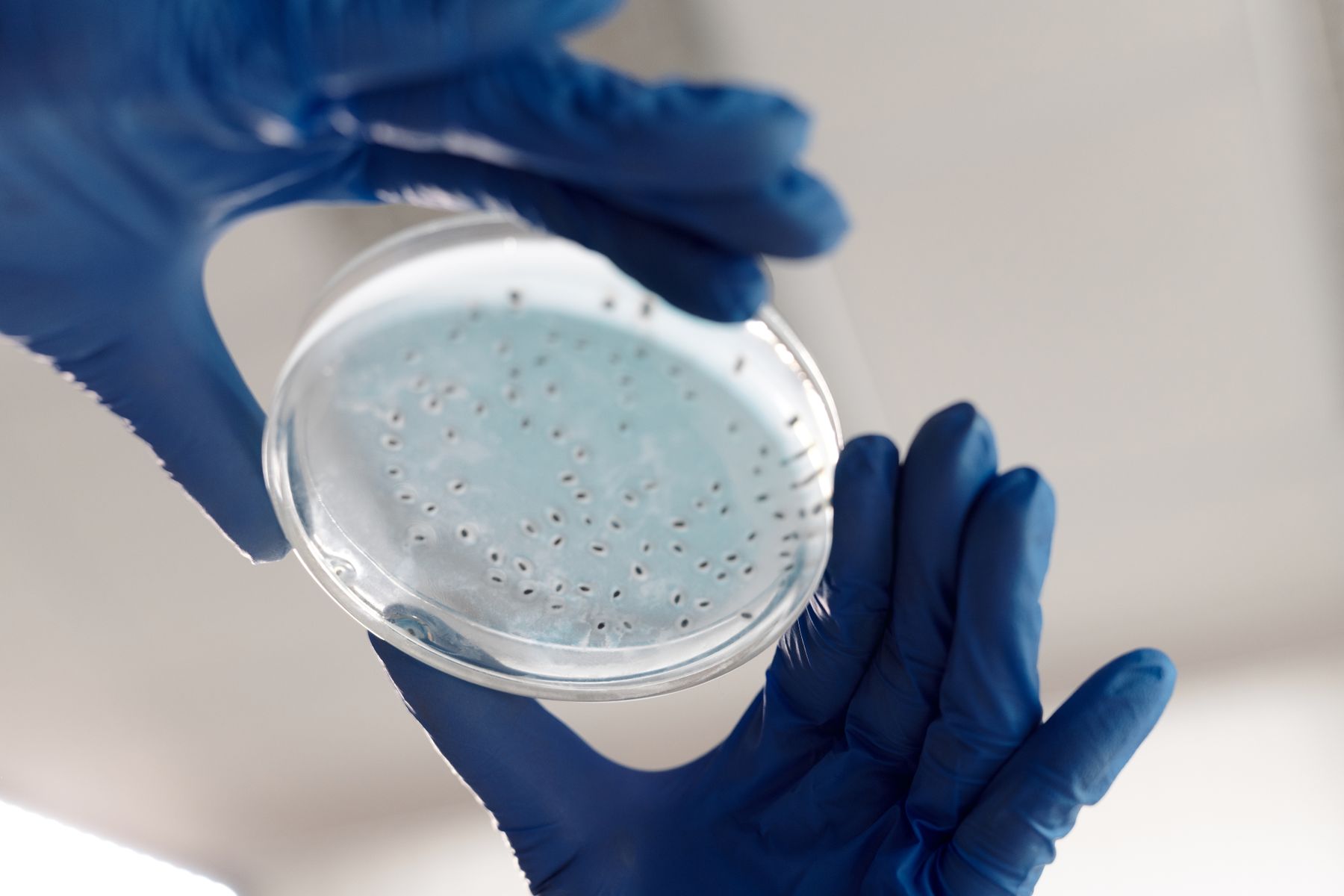

From the first fever to the full recovery
An infection is rarely settled by one prescription. You are examined, tested so the organism is actually identified, treated with medicine that matches it, and then followed until the course is finished properly.
a cure for fever.
Dengue and most viral fevers do not respond to antibiotics at all. Taking them anyway delays the real diagnosis.
Buying antibiotics without a prescription, or stopping a course early, is how resistant infections are created.
The laboratory tells us what is actually there, so treatment is aimed rather than guessed.
What the department treats
Dengue
Common here and occasionally dangerous. Platelet counts are followed closely, and the days after the fever breaks are the ones that matter most.
Typhoid
Prolonged fever, abdominal pain and headache, confirmed with blood tests and treated with a full course.
Tuberculosis
Cough lasting weeks, weight loss and night sweats. Diagnosed with sputum testing and chest X-ray, then treated over months.
Leptospirosis
Fever after wading in flood water, with muscle pain and sometimes yellowing of the eyes. Worth mentioning the exposure.
Everyday infections
Urinary, chest, skin and wound infections, and the ones that keep returning and need a reason found.
Fever without a cause yet
A fever that has lasted more than a few days without an obvious source is worth investigating rather than waiting out. Finding the organism is the whole point of the department.
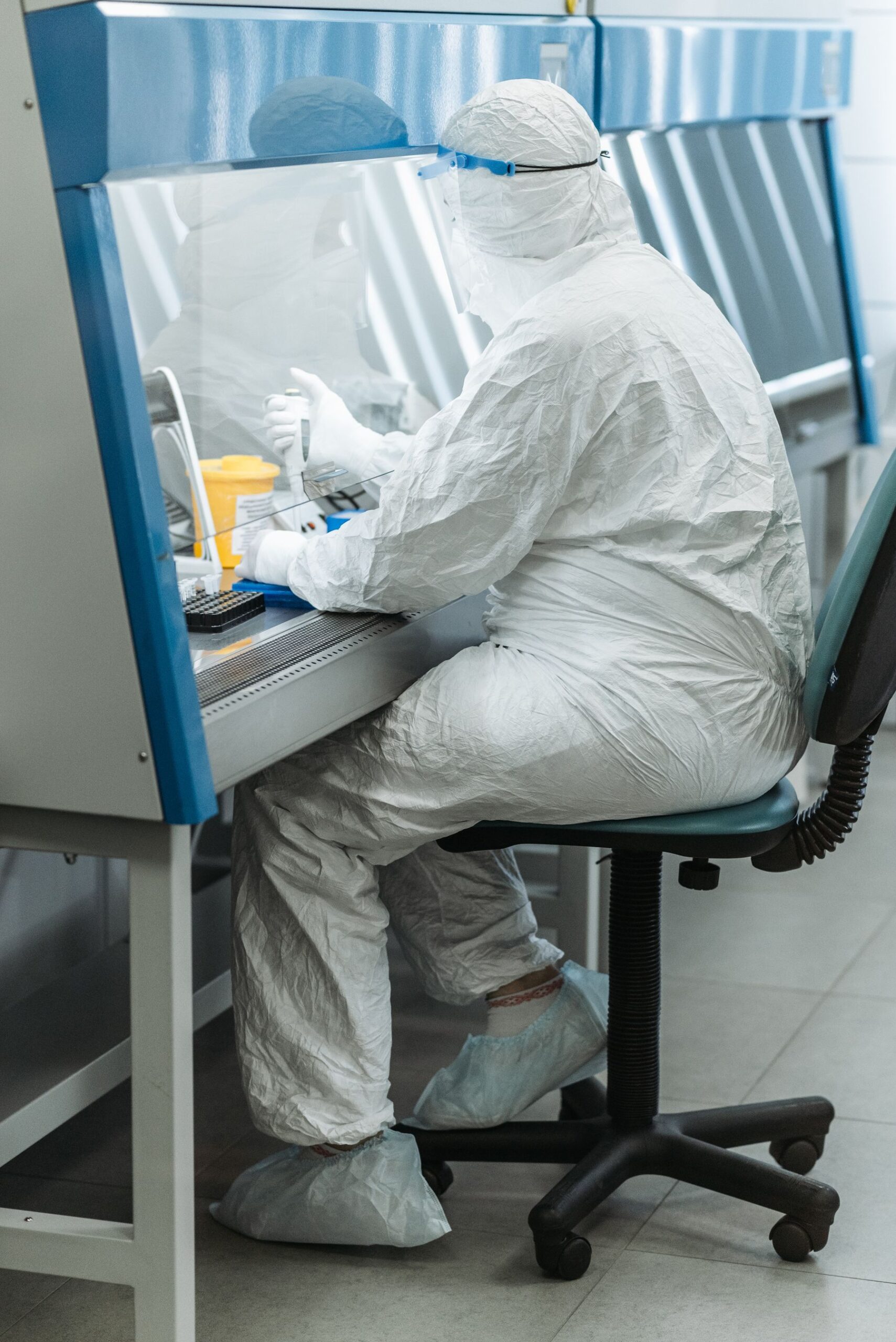

The laboratory decides the treatment
Blood counts, cultures, sputum testing and serology run in the hospital laboratory. A culture takes days to grow because the organism has to be given time, and that wait is what makes the treatment specific rather than a guess.
Treatment often starts before the result arrives when you are unwell enough to need it, and is then narrowed once the laboratory reports back. That is deliberate, and it is explained to you.
Come to the emergency room if
Dengue warning signs
Severe abdominal pain, persistent vomiting, bleeding from the gums or nose, black stools, or sudden tiredness as the fever drops. The dangerous phase begins when the fever breaks, not while it is high.
Difficulty breathing
Breathlessness, chest pain, or lips and fingertips turning blue. Come immediately rather than waiting for the next clinic.
Confusion or a stiff neck
Drowsiness, confusion, a fever with a stiff neck or a rash that does not fade when pressed. These need assessing the same hour.
Before you come in
With an infection, the details you bring often narrow the diagnosis faster than any single test.
Track the fever
When it started, how high, what time of day it peaks, and whether anything brings it down. A written record beats trying to remember.
Mention the exposure
Flood water, a mosquito-heavy area, travel, animals, a wound, or someone at home with the same thing. This is often what points to the answer.
Bring what you have taken
Especially any antibiotics already started, and how many days of them. Taking them before testing can mask the organism.
Bring prior results
Previous blood counts and any tests done elsewhere. In dengue, the trend across days matters far more than one reading.
Fever that will not settle?
Bring a note of when it started and what you have already taken. If you are worried about dengue, come sooner rather than later.
Answers before your visit
How soon should I have a fever checked?
A fever lasting more than two or three days, or any fever with warning signs, should be assessed. In dengue season, earlier is better because the platelet trend across days is what guides management.
Why will my doctor not just give antibiotics?
Because antibiotics only work on bacteria. Dengue and most viral fevers do not respond to them at all, and taking them regardless delays the correct diagnosis while adding side effects and driving resistance.
Why does a culture take so long?
The organism has to grow before it can be identified and tested against different medicines. That usually takes a few days. Treatment often starts before the result and is then narrowed once the laboratory reports back.
Can I stop antibiotics once I feel better?
No. Feeling better means the medicine is working, not that the infection has cleared. Stopping early leaves the hardiest organisms behind, which is exactly how resistant infections develop.
Do I need to be admitted for dengue?
Not always. Many cases are managed at home with fluids and monitoring. Admission is for warning signs, an inability to keep fluids down, or a platelet trend that needs watching closely. Your physician will explain which applies.
Is tuberculosis treatment really six months?
Usually at least that, and finishing it matters enormously. Stopping when the cough improves is the main cause of drug-resistant tuberculosis, which is far harder and longer to treat.
When will I get my results?
Blood counts and rapid tests are often available the same visit. Cultures take days by nature. Reports go to the physician who requested them, and printed copies can be collected at the counter with your receipt and a valid ID.